Every well-watered landscape you appreciate has something in common: a zoning plan that matches plants, soil, and water to the genuine conditions on the ground. When areas are presumed rather than developed, you see the fallout quickly. One location drowns, the various other scorches, the water expense spikes, and all the initiative that went into the lawn loses its side by summer. Excellent zoning stays clear of those migraines. It offers you foreseeable insurance coverage, much healthier plants, reduced costs, and fewer ask for sprinkler repair when the season heats up up.
I have strolled countless feet of trench and considered a lot more shutoff boxes. The installs that stand in time always begin with careful zoning. That means gauging pressure and flow, choosing heads for matched rainfall, organizing plants by water need, and routing pipeline with an eye for friction loss, use, and future modifications. It is useful work, but the choices are where craft satisfies judgment.
What an area truly is, and why it matters
An area is a controlled circuit of irrigation heads or emitters that go for the same time from a single shutoff. You develop areas so each circuit can use approximately the same amount of water throughout similar plants, soil, and sunlight exposure. That similarity is not just an ease. It allows a controller to water different components of the residential property at different regularities and durations, based on what the plants and microclimates require.
If you put an unethical fescue grass and a warm, south-facing rosemary hedge on the exact same area, you will waste water and penalize at the very least among the growings. Different them, and you can run the grass 3 early mornings a week at short periods to prevent runoff, while the rosemary obtains a deep session every 7 to 10 days.
Zones likewise keep you inside the hydraulic limitations of the system. A residential water meter on a half-inch or three-quarter line with 50 to 70 psi static pressure can normally sustain only a handful of spray or rotor heads simultaneously. Area planning areas those limitations so heads pop up cleanly, spray patterns stay regular, and the pump or municipal main does not struggle.
Walk the site like a detective
On paper, a lot of great deals look easy. Personally, they have plenty of traits. Begin with a slow-moving stroll around, note pad and pressure scale in hand. Note the grade modifications, the wind patterns in late afternoon, the hot spots by the driveway, the color under mature trees. Take images and mark the sun path across the day if you can. Dirt texture will tell you about infiltration and percolation, so dig a few little holes. Sandy loam ingests water rapidly and dries out quickly, clay takes it slowly and holds it longer. Origins near the surface area or a thatch-heavy lawn change exactly how water moves too.
Do not skip the water resource. At an outside tube bib or test port, record static stress. After that action flow. The simplest approach is timing how long it requires to fill up a calibrated bucket wide open, though a flow scale is cleaner. If a three-quarter line fills up a 5 gallon bucket in 20 secs, you have about 15 gpm readily available at that point. It is a rough figure, but adequate to dimension zones conservatively. Inspect pressure again when the house is hectic at night. If it visits more than 10 to 15 psi, prepare for that lower figure.
Look for existing constraints. Limited side backyards restrict trenching and head spacing. Driveway crossings add cost. If there is an older system on site, record where the main and side lines run, and which heads have a tendency to obstruct or sputter. That background overviews both brand-new lawn sprinkler setup and long-term lawn sprinkler maintenance.
Pressure, circulation, and friction: the foundation math
You can design by rule of thumb and it might benefit a flat, open lawn with ample water. Anywhere else, do the math. 2 numbers issue on every zone: available vibrant stress ahead, and the gallons per min the zone will certainly carry.
Start from gauged static pressure. Deduct losses that are always present: the pressure drop throughout your master shutoff or backflow preventer, the shutoff itself, and rubbing along the longest run of pipeline to the most distant head. After that deduct the minimum pressure each head requires to carry out as defined. For typical sprays, that is usually 30 psi. For blades, 40 to 60 psi depending upon design and radius.
Here is a quick sketch for a single area of 4 rotors. Fixed stress at the source is 65 psi. The backflow costs around 12 psi, the control shutoff 3 to 5 psi. Call it 16 psi combined. The lengthiest side run is 120 feet of one-inch poly or PVC. At 8 gpm total amount flow, friction loss may be in the range of 3 to 5 psi, depending upon pipe kind and installations. That leaves about 65 minus 16 minus 5, so 44 psi at the heads. If your rotors require 45 to toss a full 35-foot span, you get on the side. Bump the pipeline dimension, minimize the number of heads per area, utilize pressure-regulated heads, or shorten the throw with various nozzles. Do not squeeze resistance even if it virtually pencils. Margins save you when a filter gets unclean or the city does a main repair.
Sizing areas by gpm is straightforward, however bear in mind diversity. If 4 flexible rotors with mid-size nozzles draw 2 gpm each, running all 4 draws 8 gpm. Add a 5th and you push to 10 gpm. If your meter and service can support 12 gpm without a huge pressure drop, that might still work, but valve loss and rubbing grow. It is normally far better to split right into two cleaner, balanced circuits than to compel one fat zone that falls off as soon as conditions change.
Matching heads to rainfall, not simply to radius
Head choice is not simply concerning just how far the water requires to reach. It is about exactly how rapid it lands. Blending sprays with rotors in one area is a common mistake. A quarter-turn spray nozzle could use 1.5 to 2 inches per hour. An equipment blades with a mid-size nozzle may take down 0.4 to 0.6 inches per hour. If you run them together, either the rotor area stays completely dry or the spray location gets swampy.
Use heads with matched rainfall prices across a zone. That can suggest all sprays with matched nozzles on a little, irregular yard, or all blades on a larger, open grass location. Drip belongs with drip, and micro sprays with mini sprays. Keep arc adjustments in mind. A half-circle nozzle must use the same depth to its half-moon as a full-circle does to its whole, which implies the fifty percent draws regarding half the circulation. Reliable nozzle collections are crafted for that. Affordable mismatches expense water and evenness for years.
Head-to-head insurance coverage still matters. Patterns should overlap to ensure that each point on the grass obtains water from at the very least 2 heads, preferably three. Wind, pressure variations, and tiny obstructions will not crater your uniformity if those overlaps exist. If dominating wind pushes consistently from one instructions in the mid-day, tighten up spacing somewhat upwind or shift run times to previously early morning when wind is calmer.
Hydrozoning: organizing plants by exactly how they drink
Hydrozoning is just a technological way to claim watering like with like. Turf requires frequent, modest doses as a result of shallow roots and evapotranspiration. Hedges and perennials prefer deeper, less constant soaks that motivate strong roots. Native or xeric plantings might not desire supplementary water beyond establishment except during long droughts.
On a 7,000 square foot lot with a front yard, combined shrub borders, and a side vegetable garden, I usually wind up with a minimum of five to seven areas. The front yard may be two spray areas to keep gpm moderate and stress healthy. The shrub borders turn into one or more drip areas with pressure law and purification. The vegetable beds get their very own drip manifold with valves for seasonal control. A narrow strip along the driveway with reflected warm gets a small different spray zone. That last one issues. It is the sort of microclimate that sheds while neighboring locations grow, and splitting it out saves callbacks for lawn sprinkler repair service later.
Pipe design that offers hydraulics and service
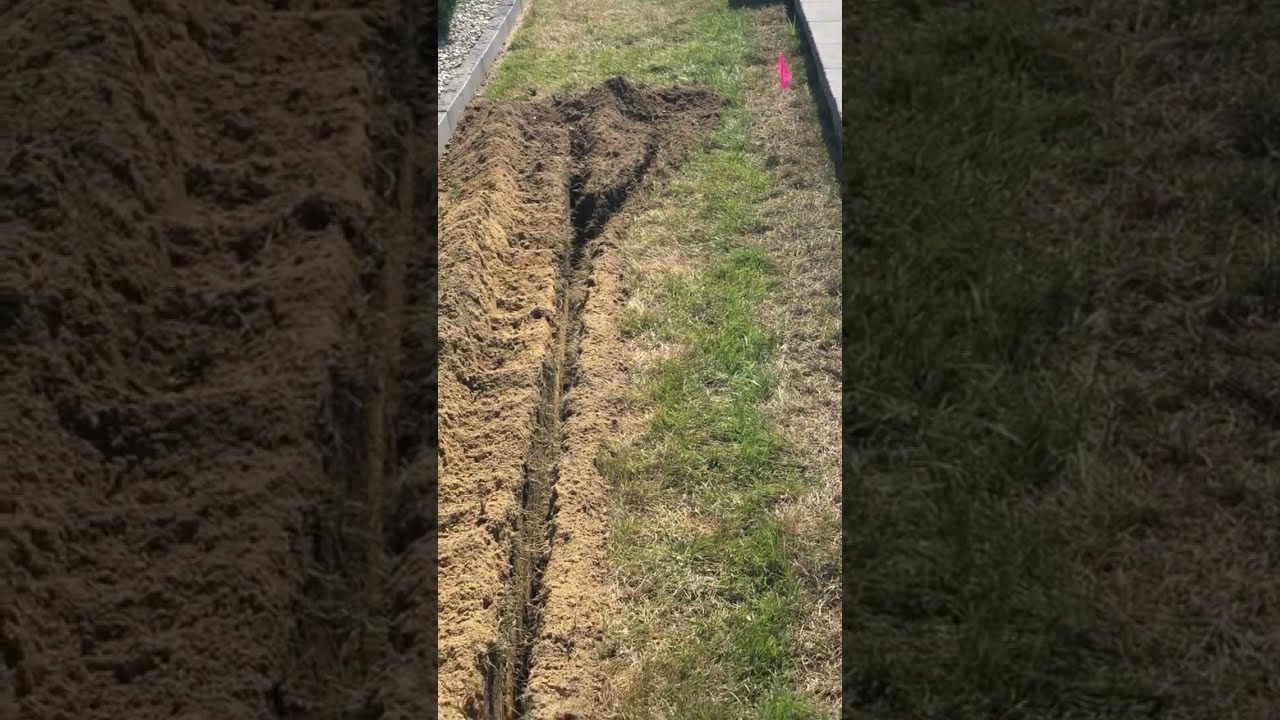
The routing that looks quickest on a sketch is not constantly the best in the trench. Tee right into the main in a way that shares lots in between lateral branches, not in a lengthy sissy chain that starves the last heads. When a zone has heads at different elevations, place the valve so that fixed pressure does not rest on the downstream low heads throughout the day. Check valves in the bodies can quit reduced head drainage, however format helps too.
I like to develop valve manifolds where they can be located and serviced without a shovel fight later on. Offer package breathing room over hardscape and out of aggressive roots. Label valves with printed tags or a long lasting map inside the cover. It appears picky on install day, but 5 years later when a solenoid stops working or a cord gets nicked, the person doing the lawn sprinkler repair will certainly give thanks to you.
Pipe sizing is entitled to a minute. On little tasks, lots of installers run one-inch primary laterals, three-quarter laterals to heads, and half-inch swing joints. That pattern works if flows are low and runs are brief. If a long rotor zone presses over 8 to 10 gpm, tip the major run to inch and a quarter or lower head count per area. Fittings add friction, so move where you can and keep ninety-degree turns to what the format genuinely needs.
Pressure regulation ahead and valve
Pressure-regulated sprays and blades have grown. Use them, specifically on local materials where stress can increase over 70 psi overnight. A regulated spray set to 30 psi secures the nozzle pattern and decreases misting that wastes water and invites drift. Regulatory authorities at the valve can assist, but they steady pressure for the whole zone, not head by head. On sloped ground where heads at the bottom see even more stress than heads at the top, body-level policy evens delivery.
This is not indulgent gear. When misting drops application uniformity, home owners go after dry spots with longer run times. That burns water and generally does not repair the pattern. Thoughtful policy pays back in the initial period for lots of systems.
Slopes, soil, and cycle soak
Water runs downhill faster than roots can absorb it on clay soils and any kind of incline above a few levels. Cycle saturate programming is the solution. As opposed to one 12 min run, break it right into 3 4 minute cycles with 30 to 60 minutes in between. The first pass wets the surface area and starts infiltration. The 2nd passes through. The third loads the account without overflow. On sandy soils, you may not need it. On combined soil, attempt it on the sunniest slopes first and observe.
Head placement on slopes ought to reduce overspray onto hardscape. Use check valves to stop low points from weeping after each cycle. In high-erosion areas, switch lawn to a groundcover or redesign that zone with low-precipitation rotors to slow down the application rate.
Drip where it fits, and just how to maintain it clean
Shrub borders and vegetable beds do their finest deal with drip. The consistent distribution to the origin zone, the absence of dissipation from spray, and the simple customizing to plant spacing make it a strong option. A drip area needs a filter and a stress reducer upstream of the shutoff or promptly after it. Many emitters are ranked for 20 to 30 psi, and performance falls apart above that range. Clean the filter a minimum of twice a season. If you see emitters slowing down, the filter is your very first check before scheduling lawn sprinkler repair.
Layout matters here as well. In woody beds, run dripline two to three inches listed below compost, not bare on the top. In vegetables, surface lines under mulch are fine due to the fact that you will certainly reconfigure each period. Stay clear of long solitary runs that starve the final emitters. Looping a bed circuit back to itself aids equilibrium stress and circulation so remote plants drink as well as those near the valve.
Controller method that values zones and seasons
Once areas are mapped to plant requirement and hydraulics, the controller comes to be straightforward. The schedule must reflect precipitation rates, dirt, and weather. For spray lawn zones in a warm summertime, I frequently start with three mornings weekly and insert cycle soak sectors to avoid runoff. For rotors on bigger turf, 2 to 3 days typically are enough if the runtime reaches the profile. For shrub drip, deep watering once a week to every 10 days is common, more frequently while plants establish.
Smart controllers with weather condition inputs conserve time, yet they do not replace good zoning. If the underlying zones mix plants with really different needs, no algorithm can make both delighted. If you embrace a weather-based controller, inspect the sent out runtimes versus your own precipitation price calculations. Several default setups are confident genuine dirt and wind.
Commissioning a brand-new system the right way
I like to spending plan a specialized half day to commission. Flush mains and laterals prior to setting up nozzles. Run each area on manual and observe. Are heads vertical and at quality? Do they withdraw cleanly without sticking? Is insurance coverage head to head, with no darkness along edges? Usage flags or paint to mark vulnerable points and readjust while the trenches are still soft. Establish the controller with conventional runtimes and schedule reminders for seasonal checks. Photo valve boxes, controller wiring, and any kind of odd transmitting before backfilling every little thing that is still open. Those photos are gold for later sprinkler maintenance.
I stay clear of fertilizing or seeding on the exact same day as initial watering. Let the ground settle a week, revisit adjustments, and confirm that soil dampness matches the scheduled runtime. Superficial moistening is an indication to extend cycles or change to cycle soak.
A preparation operations you can rely on
- Measure static stress and circulation at the source, after that note night stress and any huge decreases under family load. Map sunlight, wind, slope, dirt appearance, and plant groups, then illustration hydrozones based upon similar needs. Select head types and nozzles for matched precipitation, set preliminary spacing for neck and neck insurance coverage, and dimension areas by gpm and required pressure. Lay out mains, laterals, and valve areas to stabilize friction losses, reduce future service, and stay clear of reduced head drainage. Commission with flushing and on-site modifications, after that established controller programs that mirror precipitation prices, dirt, and season, with reminders for review.
This is compact, however the order issues. If you jump straight to head spacing before circulation and stress, you will certainly chase issues with bandaids that set you back labor later.
Edge instances that separate a good plan from a wonderful one
Narrow strips along driveways and pathways are where overspray throws away one of the most water and annoys neighbors. Use short-radius nozzles with limited arcs and stress regulation. Even better, where lawn is only a few feet large, reevaluate whether it must be turf in any way. If the customer urges, dripline under sod can function, however it demands mindful installment and alert upkeep to keep origins from pinching lines.
Wind passages between houses or along open hills request lower trajectories and early morning watering. High arcs look pretty but shred in a wind. On seaside sites with salt air, stainless risers and corrosion-resistant shutoff boxes are not high-end. Paint pens fade and plastic screws take. Choose materials you or somebody else can service seven years on.
If water quality is poor or filled with fines, placed a bigger filter on the major and smaller filters on drip areas. Clogged heads are a constant ticket for sprinkler repair work calls, and the origin is typically particles caught upstream. Filters you can accessibility and tidy without tools get maintained. The remainder do not.
Retrofitting older systems: where to press and where to live with it
Many projects are not blank slates. You inherit areas with too many sprays, mismatched blades, and electrical wiring you would not rely on. Begin by recording what exists and what actually functions despite the sins. A functional retrofit might change the most awful heads with matched precipitation designs, include pressure-regulated bodies where misting is widespread, and divided an overloaded zone into 2 by including a valve and a brand-new lateral. You are not obligated to perfect symmetry. Concentrate on the adjustments that unlock much better control first.
Controllers are often the cheapest upgrade with the quickest payback. Move from a single schedule to several programs with cycle soak and seasonal change. After that song precipitation by head swap. Conserve trenching and brand-new pipe for the areas that truly can not be well balanced otherwise. Your long-term lawn sprinkler maintenance plan should include a roadmap to attend to remaining weaknesses over a few seasons, paired with plant updates that decrease water demand in the hardest zones.
Maintenance that maintains zones honest
A system wanders. Nozzles obstruct a little, turf grows over heads, hedges block spray, and controller settings creep. Place upkeep on the calendar.
- Spring: examination each area, tidy filters, increase worked out heads to grade, and verify controller date and programs. Mid-summer: observe protection at night when indicators of stress and anxiety show up, clean or change stopped up nozzles, and readjust runtimes for warmth spikes. Early loss: reduce runtimes with shorter days, look for leaks that expanded under peak season pressure, and keep in mind any plant adjustments that suggest re-zoning following year. Winterization where required: drain and burn out lines, open shutoffs to soothe pressure, and cap off any kind of heads at risk of damage while dormant.
When you do locate problems, fix origin, not just signs and symptoms. If a patch browns each August, do not only extend that area's runtime. Ask whether it sits on a bump that loses water, or whether the nearby tree origins have thickened, or if wind transformed licensed sprinkler installation offered after a new fence went in. Accurate sprinkler repair service begins with accurate observation.
Water spending plans and customer expectations
Every residential property has restraints on budget, water, and the proprietor's hunger for treatment. Level early. If the water solution can just supply 10 gpm and the client desires a lush 5,000 square foot yard plus borders on a tight lot, the layout will certainly indicate extra areas, smaller sized head sets, and much longer complete watering windows. That is not a defect. It is physics. A clear plan with exact runtimes, maintenance checkpoints, and cost of operation will certainly protect against dissatisfaction in July.
Phasing can assist. In year one, split the most awful blended area, right pressure at the heads, and include a controller that supports multiple programs. In year two, replace the rest of the mismatched nozzles and deal with the pipe format that suffocates the back grass. In year three, improve the narrow strips that bleed water. A clear path beats a brave single-season restore on a tight budget.
A case from the field
A corner whole lot with 60 psi static stress, three-quarter service, a 1,200 square foot front grass, mixed hedges, and a warm side strip by the driveway. The existing system had one valve running the entire front with six sprays and 4 blades blended together. The homeowner whined that the sidewalk was always wet while 2 lawn corners browned by August. The controller had actually one taken care of timetable for everything.
We gauged regarding 12 gpm sensible flow without a big stress decrease. The fix was not exotic. We split the front into 2 zones: sprays only on the lawn, rotors moved to a bigger back lawn where they belonged. The warm side strip got its own short-radius spray area with pressure-regulated bodies readied to 30 psi and limited arcs. We replaced the mismatched nozzles with a matched set and re-spaced heads for correct overlap. The bushes transferred to a drip zone with a 150 mesh filter and a 25 psi reducer.
Runtime changed as well. Grass sprays ran three mornings a week with cycle soak sectors to avoid drainage on the small slope. The hot strip obtained an extra minute per cycle on the windiest days, managed by a different program. The drip ran every 7 to 10 days for longer soaks. The walkway stopped glistening, the browned edges filled out, and the homeowner's water expense dropped noticeably. Most notably, summer calls for sprinkler repair service went down to one fast nozzle swap after a lawn mower nick, as opposed to the cascade of band-aid modifications from years prior.
The craft remains in the choices
Zone preparation is a conversation between hydraulics, plants, and place. You can discover solutions for rubbing loss and nozzle charts for rainfall, and you should use them. The tough component is applying those numbers to a particular yard with its very own winds, dirts, and proprietors. Place blades where they belong and maintain sprays with sprays. Team plants that consume alcohol alike. Dimension pipeline kindly on long terms. Regulate pressure before it causes misting. Use drip where it matches the origins and the upkeep truth. Commission systems with care and review them as seasons change.
If you develop zones with this sort of attention, the system waters evenly without drama. The controller becomes a fine tuner, not a crutch. Sprinkler setup really feels calm, lawn sprinkler upkeep gets lighter, and lawn sprinkler repair ends up being uncommon, brief, and foreseeable. That is the benefit for a strategy that respects both numbers and the ground under your boots.